character conversion
ai creative studioUse this page first. The goal is one approved, front-facing, full-body bear that can become the source image for turnaround sheets and scene prompts.
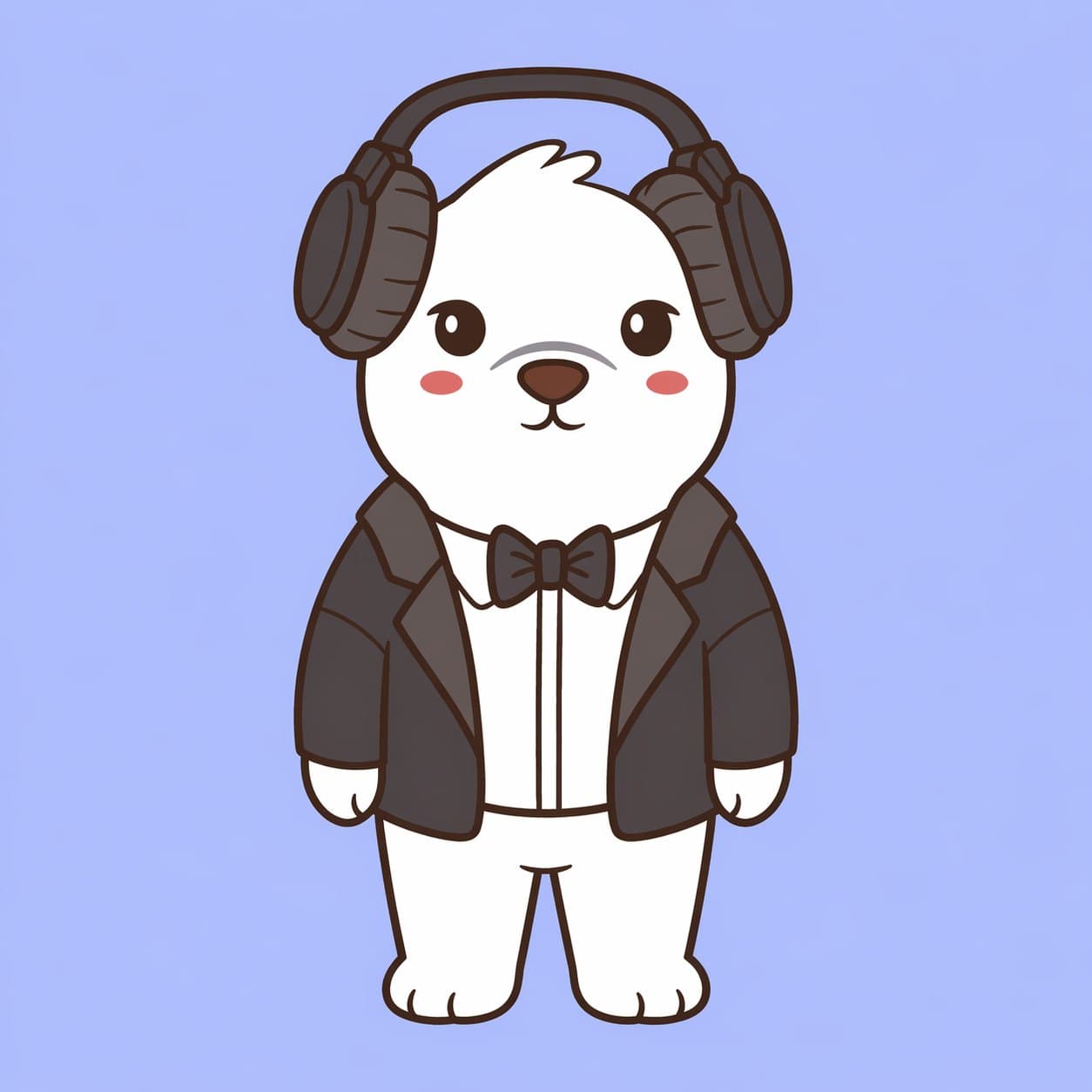
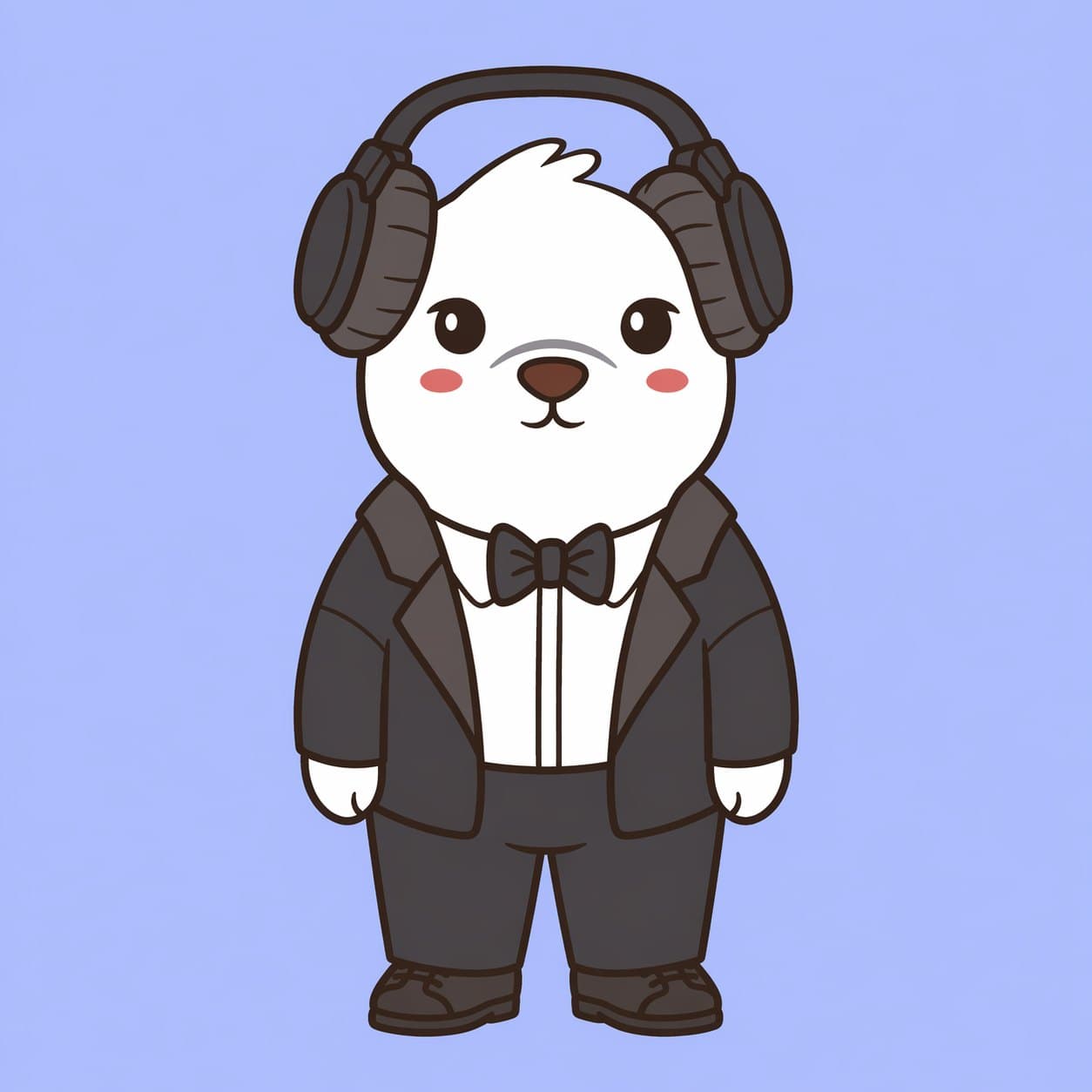
before you prompt
Pick the cleanest reference you have. A good reference reduces the number of repairs you need later and protects the character from identity drift.
- 1
use a clear reference
Choose a high-resolution image with a visible face, ears, accessories, clothing, colors, and simple lighting.
- 2
avoid difficult angles
Side views, extreme crops, shadows, and busy backgrounds make the model guess. Guessing is where identity drift starts.
- 3
start a clean chat
Upload the reference and paste the full-body prompt. Keep the first attempt focused on conversion only.
what the output should be
The output is not a new design. It is the same Bearish character extended from head to toe. Ask for a neutral, front-facing, full-body character with short chibi proportions. Do not ask for a scene, pose, prop, background, or style upgrade in this step.
the control-system mindset
The prompt is not a vibe description. It is a rule system. If the model keeps making the bear tall, explicitly forbid tall realistic proportions. If it keeps changing the ears, explicitly preserve the original ear shape and asymmetry.
full-body conversion prompt
TASK:
Transform the provided reference image into a full-body, front-facing character illustration.

STRICT REQUIREMENTS:
- The character must remain 100% identical to the reference image.
- Do not redesign, simplify, stylize differently, or add/remove defining elements.
- Preserve the face, expression, eyes, nose, mouth, ears, clothing, accessories, colors, outlines, and visual weight exactly.
- Match the exact same art style, line thickness, and rendering quality.

CAMERA:
- Front-facing only.
- Straight-on view.
- No side angle.
- No 3/4 view.
- No perspective distortion.
- Head centered and level.

FULL BODY EXTENSION (outfit continuation, not invention):
- Extend the character naturally from head to toe. Anything below the visible crop must be a LOGICAL CONTINUATION of the outfit that already exists — never a new design.
- A formal top (tuxedo, suit jacket, dress shirt, bow tie) continues into matching formal pants and simple flat dress shoes in the same colors.
- A casual/streetwear top (hoodie, tee, jacket) continues into simple matching pants or shorts and simple sneakers in the same palette.
- A minimal or unclothed reference stays minimal — bare lower body or the simplest matching pieces, nothing extra.
- Added pieces use ONLY colors already present in the reference, drawn in the same cartoon design language.
- Do NOT add: belts, zippers, pockets, wrinkles, laces, shine, realistic tailoring, realistic shoes, new colors, or a new fashion style — unless the reference already shows them.
- The final result should look like the original artist drew the full outfit from the start.

PROPORTIONS:
- Match the reference's proportions and head-to-body ratio exactly.
- Keep limb length, shape, and build consistent with the original design.
- Do not restyle the proportions — do not make the character taller, more realistic, or more stretched than the reference, and do not lengthen the legs when extending the lower body.

POSE:
- Neutral standing pose.
- Arms relaxed at sides.
- Legs evenly spaced.
- Feet visible.
- Full body fully visible with no cropping.

BACKGROUND:
- Use a simple clean background.
- Do not add props, logos, watermarks, text, or decorative elements.
inspect the first result
Do not move to turnaround sheets until the full-body image passes these checks. Scene prompts will amplify any mistake in the base character.
- The face, expression, eyes, nose, and mouth still match the reference.
- Ear shape and asymmetry stayed intact.
- Headphones, hats, glasses, or other accessories still sit naturally.
- The body is short, compact, and chibi-like instead of tall or realistic.
- The lower outfit feels like a continuation, not a new fashion choice.
- Line weight, color behavior, and shading still match the original art.
repair outfit drift
The model has to invent anything below the visible crop, so force logical continuation instead of creativity. A tuxedo top should continue into matching tuxedo pants and simple dress shoes. Streetwear should continue into matching pants and sneakers. Minimal designs should stay simple.
Reject results that add random colors, realistic shoes, tall legs, belts, pockets, wrinkles, or a new fashion style unless the original reference already had those details.
outfit extension prompt
TASK:
Revise the full-body character by extending only the missing outfit pieces.

RULE:
Do not design a new outfit. Continue the outfit that already exists.

Preserve:
- Face, ears, expression, head shape, and all accessories
- Existing top, jacket, shirt, bow tie, hat, headphones, or visible clothing
- Existing line weight, color palette, and art style
- The reference's proportions

Add only:
- Lower body pieces that logically match the visible outfit
- Simple pants or shorts that match the existing clothing color and style
- Simple shoes that match the same cartoon design language

Avoid:
- Belts, zippers, pockets, wrinkles, laces, shine, or realistic tailoring unless already present
- New colors
- New fashion style
- Taller proportions
- Any change to the head or face

Final check:
The result should look like the original artist drew the full outfit from the start.
next step
Once the full-body image is approved, use it as the main source image for the turnaround sheet. If the result still has identity drift, repair it before moving on.